
Blog
Fall Gardening for Wildlife
Oct
Fall is a great time to make a few simple changes that can help support birds, pollinators and other beneficial wildlife through the colder months. As flowers fade and temperatures cool, the garden can continue to provide food, shelter and habitat long after summer is over.
At Fran’s Flowers in Framingham, MA, a thoughtful approach to fall gardening can help create a landscape that is both beautiful and wildlife-friendly.
Leave Some Seed Heads Standing
Not every perennial needs to be cut back in fall.
Seed heads from flowering perennials can provide a natural food source for birds, while dried stems and flowers add texture and structure to the winter garden.
Instead of cutting everything to the ground, consider leaving some healthy plants standing until late winter or early spring.
Give Pollinators a Place to Overwinter
Many beneficial insects spend the winter tucked into protected areas of the garden.
Standing stems, leaf litter and natural garden debris can provide valuable overwintering habitat. Leaving a few less-manicured areas can make a meaningful difference without making the landscape look neglected.
Put Fallen Leaves to Work
Fallen leaves can be useful in garden beds and naturalized areas.
A light layer can help protect the soil, provide shelter for insects and gradually add organic matter as the leaves break down.
Avoid thick, matted layers on lawns or over smaller plants where they could block light and air.
Add Plants That Support Wildlife
A wildlife-friendly garden benefits from a variety of plants that provide food and shelter throughout the seasons.
Consider adding:
- Native perennials
- Seed-producing flowers
- Berry-producing shrubs
- Evergreens
- Ornamental grasses
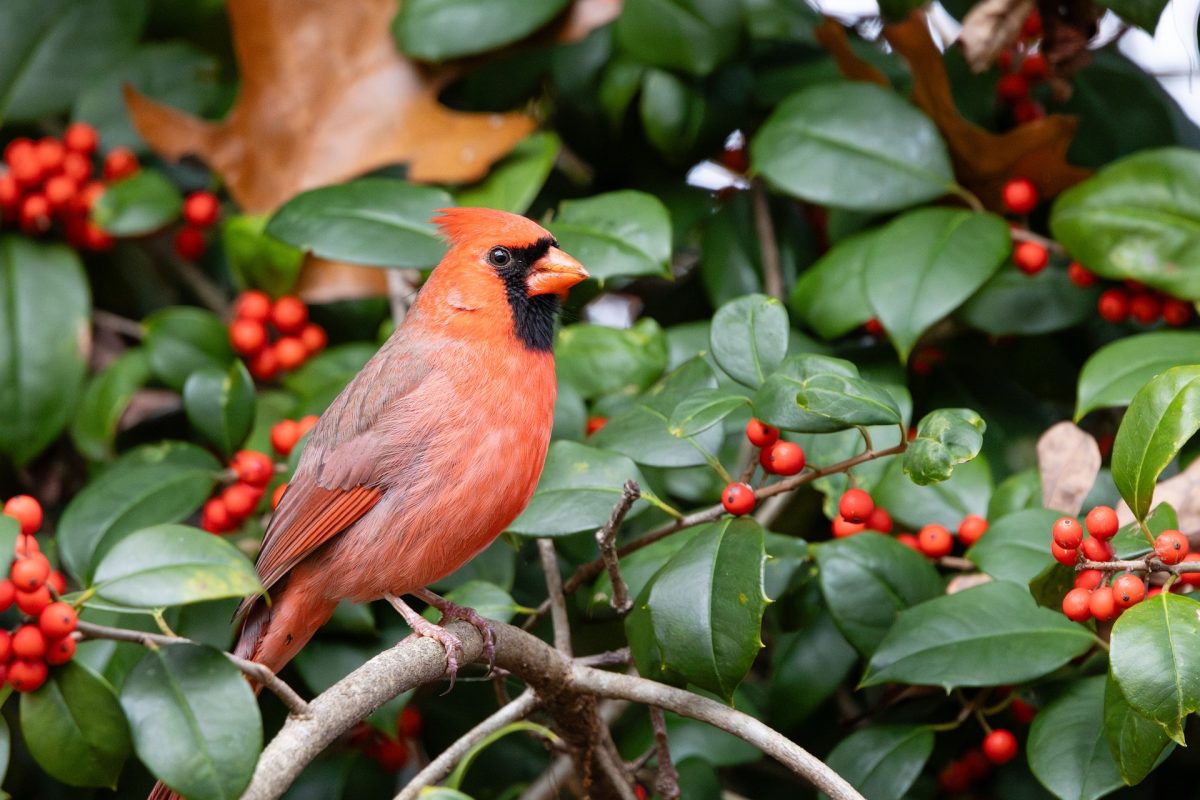
Evergreens and dense shrubs can provide cover, while seeds and berries may offer food for birds and other wildlife.
Keep Fall Cleanup Selective
Creating habitat does not mean skipping fall cleanup completely.
Diseased, damaged or pest-infested plant material should still be removed. Walkways, patios and lawns may also need regular clearing.
The goal is simply to be more thoughtful about what stays and what goes.
Create a Garden That Works Through Every Season
A garden can continue doing important work even after the main growing season ends.
Leaving selected plants standing, keeping some leaves in appropriate areas and choosing plants that provide food and shelter can help create a healthier landscape for wildlife through fall and winter.
Fall Gardening for Wildlife FAQs
Should I leave perennials standing through winter?
Many healthy perennials can remain standing and may provide food, shelter and winter interest.
Are fallen leaves good for wildlife?
Yes. Leaves can provide habitat for insects and other small wildlife when left in appropriate areas.
What plants can help birds in fall and winter?
Seed-producing perennials, berry-producing shrubs, evergreens and ornamental grasses can all be helpful.
Do native plants support pollinators?
Native plants can provide important food and habitat for local pollinators and other beneficial wildlife.
Should diseased plants stay in the garden?
No. Diseased or heavily damaged plant material is generally better removed.
Visit Fran’s Flowers
Want to make your garden more welcoming to birds, pollinators and beneficial wildlife? Stop by Fran’s Flowers in Framingham, MA and explore plants and ideas for creating a beautiful, wildlife-friendly landscape.
Fran’s Flowers
1 Worcester Road
Between Kohl’s and Route 9
Framingham, MA 01701
508-655-8424
Fall Hours:
Monday through Saturday: 9 AM to 8 PM
Sunday and Holidays: 9 AM to 6 PM