Blog
How to Build a Pollinator Garden in Containers
May
Bring Bees, Butterflies & Beauty to Your Patio, Deck, or Balcony!
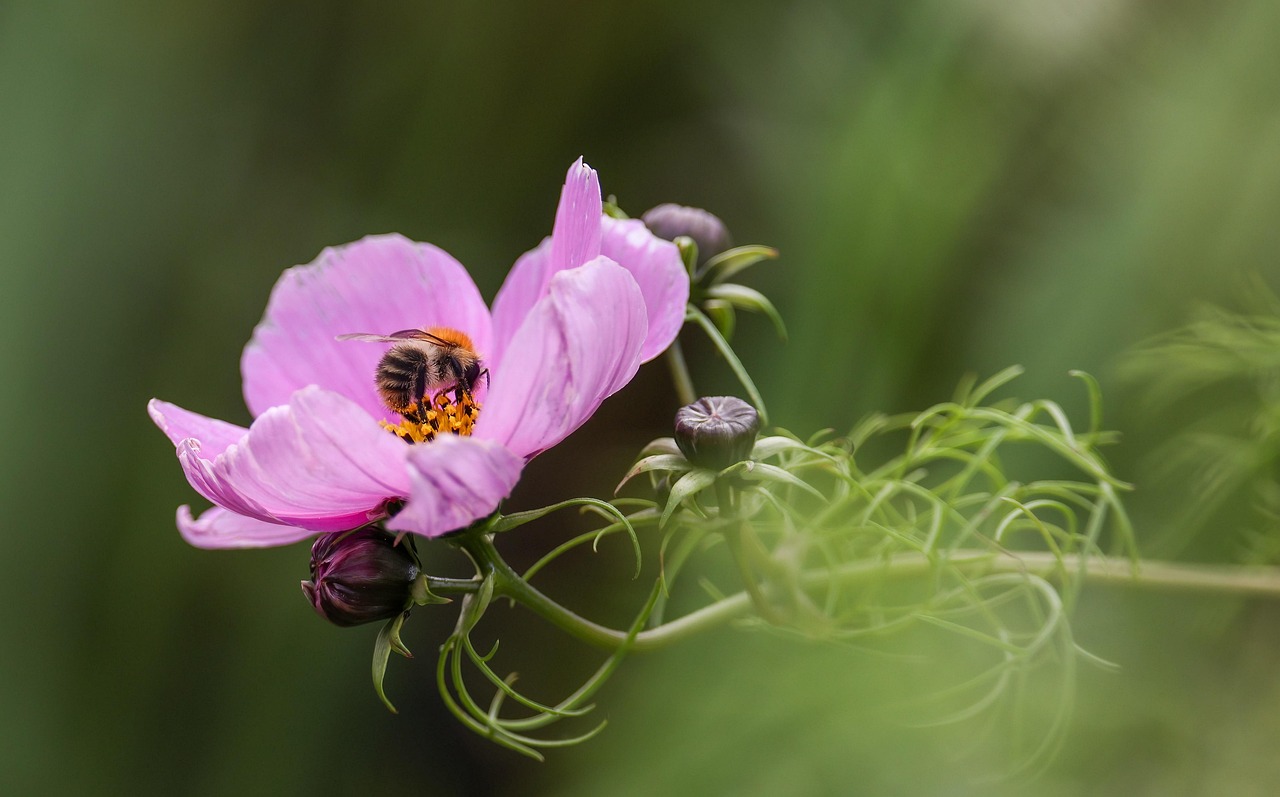
You don’t need a sprawling backyard to support pollinators like bees, butterflies, and hummingbirds. With a few pots, the right plants, and a sunny spot on your deck, balcony, or patio, you can create a pollinator paradise that’s not only beautiful but ecologically beneficial. At Fran’s Flowers, we believe everyone can make a difference—one container at a time!
Why Container Gardens for Pollinators?
Pollinators are essential for healthy gardens and ecosystems, and container gardens are a fantastic way to invite them in—even in small spaces. By combining flowers, herbs, and grasses in pots, you can create a colorful, dynamic display that blooms from spring to fall while providing food and shelter for vital pollinators.
Step 1: Choose the Right Containers
Start with pots that have good drainage and are large enough to support multiple plants. Consider grouping several containers together for more impact—and more blooms!
-
Terracotta and glazed ceramic pots work well.
-
Self-watering containers can be helpful in the heat of summer.
-
Use a mix of pot sizes to create visual interest and layering.
Step 2: Location, Location, Location
Pollinators love sunshine. Place your containers where they’ll get at least six hours of direct sun a day—a sunny balcony, front steps, or a deck railing are all great options.
Step 3: Pick Pollinator-Friendly Plants
You’ll want a mix of nectar-rich flowers, fragrant herbs, and ornamental grasses to create both beauty and biodiversity.
Try these pollinator favorites, available now at Fran’s Flowers:
Flowers:
-
Zinnias – bright, cheerful, and long-blooming
-
Salvia – a hummingbird magnet
-
Coneflowers (Echinacea) – easy-care and butterfly-friendly
-
Marigolds – compact and great in pots
-
Lantana – loved by bees and butterflies
Herbs:
-
Lavender – blooms attract bees and smells amazing
-
Thyme – a low-growing, bee-friendly herb
-
Basil – let it flower and the bees will come
-
Oregano and Chives – edible and pollinator-approved
Grasses:
-
Blue Fescue or Carex – soft texture and hiding spots for pollinators
-
Pennisetum (Fountain Grass) – adds movement and structure
Step 4: Design for Variety and Bloom Time
Pollinators need food all season long, so plant a mix that blooms in early, mid, and late summer.
Combine upright, trailing, and mounding plants for a lush look in each container.
-
Use the “thriller, filler, spiller” method:
-
Thriller: tall plants like Salvia or Coneflower
-
Filler: mounding herbs like Basil or Oregano
-
Spiller: trailing flowers like Lantana or Creeping Thyme
-
Step 5: Skip the Pesticides
To truly support pollinators, avoid chemical pesticides and herbicides. Use organic gardening methods, and look for pollinator-safe plant varieties when you shop at Fran’s.
Step 6: Water, Feed & Enjoy
Container plants dry out faster than garden beds. Water regularly, especially in the summer, and use an organic fertilizer every few weeks to keep plants blooming strong.
Then sit back and enjoy your little buzzing, fluttering visitors!
Fran’s Favorites for Pollinator Pots
Stop by Fran’s Flowers this week for:
-
Pre-potted pollinator-friendly combos
-
Organic herb starts and flowering annuals
-
Fragrant lavender and colorful Zinnias
-
Eco-friendly potting soil and pollinator guides
Together, let’s grow something beautiful—and help pollinators thrive right outside your door.